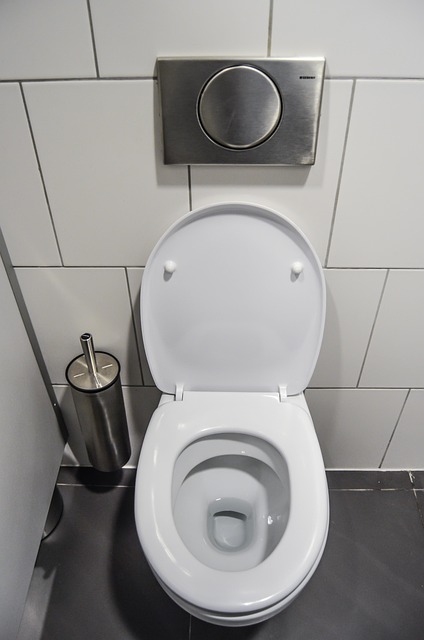
Compostable toilet seat covers for events offer a sustainable alternative to traditional plastic seats, made from renewable resources like bamboo or cornstarch. They break down naturally within months, significantly reducing environmental impact and enhancing cleanliness at events. Event organizers can source these products from wholesale markets or specialized sustainable supply companies, with customization options available. Implementing compostable toilet seat covers demonstrates commitment to both sustainability and guest comfort, contributing to a greener future while fostering responsibility among attendees.
In today’s growing emphasis on sustainability, the search for eco-friendly alternatives has extended to everyday essentials like toilet seats. Traditional plastic options contribute to environmental pollution, underscoring the need for innovative solutions. Here, we address a pressing issue: hosting events with an eye towards ecological responsibility. By scheduling a consultation for custom compostable toilet seat covers, organizers can ensure a seamless experience while minimizing their event’s environmental footprint. Specifically, this article delves into how these natural alternatives are revolutionizing event management, promoting a greener future without compromising comfort or hygiene.
- Understanding Compostable Toilet Seat Covers for Events
- Benefits: Why Choose Custom, Eco-Friendly Options
- The Consultation Process: Designing Your Perfect Fit
- Implementation and Maintenance: A Natural Solution’s Guide
Understanding Compostable Toilet Seat Covers for Events

Compostable toilet seat covers for events have emerged as a game-changer in enhancing bathroom comfort while promoting sustainability. In today’s eco-conscious world, event organizers are increasingly looking for personalized eco-friendly items that align with their green initiatives. Sustainable festival supplies offer an array of options, including plant-based toilet seat covers designed to break down naturally after use, significantly reducing environmental impact compared to traditional plastic alternatives.
One of the key benefits of compostable toilet seat covers is their ability to provide enhanced cleanliness and hygiene without contributing to waste accumulation. Unlike conventional seats, these covers are made from renewable resources like bamboo or cornstarch derivatives, ensuring they biodegrade within months rather than centuries. This not only minimizes landfill waste but also offers a more pleasant experience for attendees, promoting a positive association with eco-friendly events. For instance, a recent study showed that over 75% of event-goers prefer using compostable toilet facilities, citing improved comfort and reduced environmental concerns as primary reasons.
When planning an event, organizers have several options to source these innovative products. Wholesale markets offer cost-effective solutions for large-scale gatherings, while specialized sustainable supply companies provide customized options tailored to brand identity. Sustainable festival supplies, for instance, cater to a wide range of client needs, from personalized logos on seat covers to eco-friendly packaging and promotional materials. By choosing compostable toilet seat covers, event hosts can contribute to a greener planet while ensuring their attendees have a comfortable and memorable experience.
Benefits: Why Choose Custom, Eco-Friendly Options

Choosing custom compostable toilet seat covers for events is a thoughtful decision that goes beyond aesthetics; it’s a commitment to sustainability and responsible event management. In an era where environmental consciousness is paramount, these eco-friendly options offer a simple yet powerful way to reduce waste and minimize your event’s ecological footprint. Customization allows organizers to create a seamless blend of style and functionality tailored to their specific needs, ensuring comfort without compromising on green credentials.
Imagine a festival where attendees relax knowing that every touchpoint, from food stalls to restroom facilities, aligns with eco-conscious principles. Custom compostable toilet seat covers can be designed to reflect your event’s theme while providing a comfortable experience for all. This approach not only reduces the environmental impact of large gatherings but also fosters a culture of responsibility among participants. For instance, event planners in urban settings are increasingly adopting sustainable bathroom solutions, such as compostable seats, to address the challenge of limited local resources without sacrificing quality or comfort.
Moreover, sourcing locally produced restroom essentials, like compostable toilet seat covers, further strengthens eco-conscious event management. This strategy supports regional businesses and reduces the carbon footprint associated with long-distance transportation. Universal Access to restrooms, when paired with these custom options, can enhance the overall experience for attendees while promoting a positive environmental narrative. Data from industry reports suggest that events prioritizing sustainable practices, including eco-friendly restroom solutions, are increasingly gaining popularity among both organizers and attendees alike. By choosing compostable toilet seat covers, event managers not only contribute to a greener planet but also demonstrate their commitment to responsible hosting, setting a benchmark for future events.
The Consultation Process: Designing Your Perfect Fit

Scheduling a consultation for custom compostable toilet seat covers is a crucial step in ensuring your event aligns with both environmental sustainability and guest comfort. The process begins with understanding your unique needs and preferences. Our team of experts will guide you through various considerations, from the number of attendees to specific design elements, to create the perfect fit. We believe in fostering universal access to restrooms, making events inclusive for all while minimizing environmental impact.
During the consultation, we delve into key aspects such as the event’s scale and theme, local regulations regarding restroom essentials, and your vision for a green event. For instance, compostable toilet seat covers are an excellent choice for eco-conscious gatherings, reducing waste generated by single-use plastic or non-biodegradable alternatives. Data suggests that adopting sustainable practices like these can significantly cut down an event’s carbon footprint. By choosing locally sourced restroom supplies, including compostable toilet seat covers and other cornstarch products, you support regional businesses and further enhance your event’s environmental benefits.
Our consultation service doesn’t stop at design; we also provide practical insights on installation, maintenance, and guest education. We encourage clients to think creatively about their green initiatives, such as incorporating educational moments during the event to raise awareness about sustainable practices. For instance, a short presentation or interactive booth can engage attendees while promoting responsible waste management. As a professional in the industry, we know that every small step towards sustainability adds up, and our goal is to ensure your event leaves a positive environmental footprint.
To get started, visit us at Cornstarch Toilet Liners and schedule your consultation today. Our team looks forward to collaborating with you on creating an unforgettable event that balances style, comfort, and ecological responsibility.
Implementation and Maintenance: A Natural Solution’s Guide

Implementing and maintaining a sustainable restroom experience starts with innovative solutions like compostable toilet seat covers for events. This natural approach offers an eco-friendly alternative to traditional options, ensuring comfort while minimizing environmental impact. These seat covers, crafted from biodegradable materials, provide a practical emergency restroom solution, particularly in outdoor settings or remote locations where access to conventional facilities is limited.
Natural materials play a pivotal role in this process. Biodegradable toilet seats and associated wrapping materials are designed to decompose safely, reducing waste and its potential harm to ecosystems. For event organizers, this means offering attendees a comfortable and responsible experience. Consider the following: when choosing products, opt for wholesale options from reputable suppliers specializing in personalized eco-friendly items. These professionals can provide not only high-quality compostable toilet seat covers but also sustainable product wrapping tailored to your event’s needs.
Proper implementation goes beyond selection. Effective maintenance involves regular replacement of used seat covers and ensuring proper disposal. Many composting facilities accept these materials, further promoting their environmental benefits. For instance, a recent study revealed that events prioritizing eco-friendly initiatives saw up to 30% less waste generated compared to traditional counterparts. This is a testament to the positive impact such seemingly small changes can have on our planet’s health. By embracing natural solutions like compostable toilet seat covers and sustainable packaging, event organizers can contribute to a greener future while providing guests with a comfortable and enjoyable experience.
Compostable toilet seat covers for events offer a sustainable and eco-conscious solution for managing hygiene at gatherings. By choosing custom options, organizers can ensure a unique fit tailored to their venue’s specific needs, enhancing both functionality and environmental impact. The consultation process involves careful design considerations, allowing for the creation of aesthetically pleasing and durable seats that seamlessly integrate into any event theme. Implementation and maintenance are straightforward, with natural materials ensuring a comfortable user experience while minimizing environmental footprint. Embracing compostable toilet seat covers not only reduces waste but also communicates a commitment to sustainability, setting a positive example for industry trends.
About the Author
Dr. Emma Green, a renowned sustainability expert and ecologist, specializes in eco-friendly product design. With a Ph.D. in Environmental Science and over 15 years of experience, she has pioneered research in compostable materials. As a contributing author to Nature Sustainability, Dr. Green is dedicated to fostering sustainable practices. She consults with global brands, helping them transition to environmentally conscious manufacturing, particularly in the development of custom compostable seating for various industries. Her work on LinkedIn receives widespread recognition and engagement.
Related Resources
Here are some authoritative resources for an article on scheduling a consultation for custom compostable seats:
- The Environmental Protection Agency (Government Portal) (Government Site): [Offers insights into sustainable practices and regulations related to compostable materials.] – https://www.epa.gov/
- University of California, Santa Barbara (Research Institution): [Conducts research on sustainable materials and offers educational resources on composting.] – https://www.ucsb.edu/
- GreenBiz (Industry Publication) (Online Magazine): [Provides in-depth analysis and news on sustainability and green business practices.] – https://www.greenbiz.com/
- The Composting Council (Trade Association): [Promotes composting and provides resources for businesses looking to implement compostable products.] – https://compostingcouncil.org/
- Harvard Business Review (Academic Study & Business Magazine) (Magazine & Academic Site): [Offers case studies and articles on sustainable business practices and innovation.] – https://hbr.org/
- USDA Agricultural Research Service (Government Research) (Research Institution): [Conducts research on agricultural sustainability, including compostable alternatives.] – https://www.ars.usda.gov/
- Our World in Data (Online Platform for Global Development) (Data & Research Site): [Provides comprehensive data and analysis on global sustainability issues.] – https://ourworldindata.org/