Lightweight hikers seeking minimal environmental impact can optimize their experiences through strategic planning and gear choices. Key elements include:
– Equipment: Mirrorless cameras, ultralight backpacks, durable tents for two, waterproof dry bags.
– Itinerary: Balance challenge with accessibility, incorporating rest stops and scenic viewpoints tailored to weather conditions.
– Guides: Knowledgeable guides share local insights, adapt routes, foster deeper nature connections.
– Logistics: Sustainable practices like reusable water bottles, solar devices. Choose less-traveled routes and support eco-conscious tour operators.
For memorable journeys, lightweight hikers should:
– Pack efficiently with versatile, compact gear.
– Opt for advanced backpacks with ventilation and strategic compartmentalization (25L for multi-day treks).
– Prioritize high-performance, lightweight clothing for comfort and agility.
Marketing strategies focus on visually stunning content, collaborating with influencers, offering practical packing tips, and building a community around minimal travel experiences.
In the realm of outdoor adventure, catering to lightweight hikers presents a unique opportunity to enhance their exploration experience. Many scenic destinations offer breathtaking vistas and diverse terrain, but managing access for this specific demographic can be challenging. The issue lies in the lack of tailored tours designed for lightweight hikers, who often face limited options and struggle to navigate complex trails independently.
This article introduces an innovative solution: scheduling private guided tours specifically for lightweight hikers. By addressing this gap in the market, we empower these adventurers with accessible, safe, and enriching experiences, allowing them to fully embrace nature’s wonders.
- Planning Essentials for Lightweight Hiking Tours
- Choosing Ideal Tour Locations: Nature's Playground
- Designing Itineraries: Lightweight Hiker's Delight
- Recruiting Guides: Expertise for Safe Trekking
- Packing Light: Essential Gear for Comfort
- Marketing Strategies: Attracting Adventurous Souls
Planning Essentials for Lightweight Hiking Tours

For lightweight hikers looking to explore with minimal impact, carefully curated private guided tours offer an unparalleled experience. Planning these trips requires a deep understanding of both the destination’s unique characteristics and your clients’ specific needs. A key consideration is equipment selection; recommending mirrorless camera systems or vintage lightweight cameras can encourage responsible wildlife observation without disturbing natural habitats. Ultralight backpacking gear, when paired with durable yet lightweight tents like those offered by our brand, ensures hikers remain comfortable while minimizing their environmental footprint.
The itinerary should balance physical challenge with accessibility, incorporating rest stops and scenic viewpoints to cater to various fitness levels. Knowledgeable guides play a pivotal role in enhancing the tour; they can provide insights into local flora and fauna, share historical anecdotes, and adapt routes based on weather conditions. This personalized approach fosters a deeper connection with nature for participants, who may also appreciate opportunities for photographic exploration using compact yet high-quality equipment.
Logistics are paramount, from transportation arrangements to meal planning. Consider the environmental impact of travel methods chosen and encourage sustainable practices, such as packing reusable water bottles and utilizing solar-powered charging devices. By integrating these considerations into tour design, you create memorable, responsible experiences that cater to adventurous hikers seeking unique, lightweight exploration opportunities.
Choosing Ideal Tour Locations: Nature's Playground

For lightweight hikers seeking immersive experiences, the choice of tour locations is paramount. Think of it as selecting a playground where every element invites exploration – from majestic mountain ranges to serene forest trails. Opt for destinations renowned for their accessibility and natural beauty, ensuring a safe yet exhilarating adventure. Imagine trekking through the misty peaks of New Zealand’s South Island, where lush landscapes unfold with each step, or exploring the ancient forests of Japan’s Hokkaido, known for its untouched wilderness.
When planning these trips, consider the benefits of lightweight packing cubes and rucksacks designed for urban commuting, allowing hikers to navigate diverse terrains with ease. These innovations enable travelers to pack minimal yet essential gear, including waterproof dry bags for hiking 1-3 times, safeguarding valuables from unexpected weather changes. For instance, a quick hike up a nearby hill can be transformed with the right gear, offering panoramic views and a sense of accomplishment.
Choosing destinations that align with your lightweight hiking philosophy is just the beginning. Consider local regulations and guidelines to ensure responsible tourism. This might involve opting for less-traveled routes or supporting conservation efforts through reputable tour operators who prioritize sustainability. Remember, true connection with nature lies in minimizing our footprint while maximizing experiences. That’s where ultralight tents for 2 can play a crucial role, providing shelter that is lightweight yet robust enough to endure diverse environments.
Designing Itineraries: Lightweight Hiker's Delight

For the lightweight hiker looking to explore with minimal impact, carefully designed itineraries are key. The goal is to pack light, move efficiently, and enjoy immersive experiences without leaving a significant footprint. This requires a thoughtful blend of planning and adaptability, prioritizing activities that align with the hiker’s fitness level and interests. For instance, opt for multi-day treks with rest days built in to avoid overexertion, and choose routes known for their stunning scenic views to provide lasting memories without excessive effort.
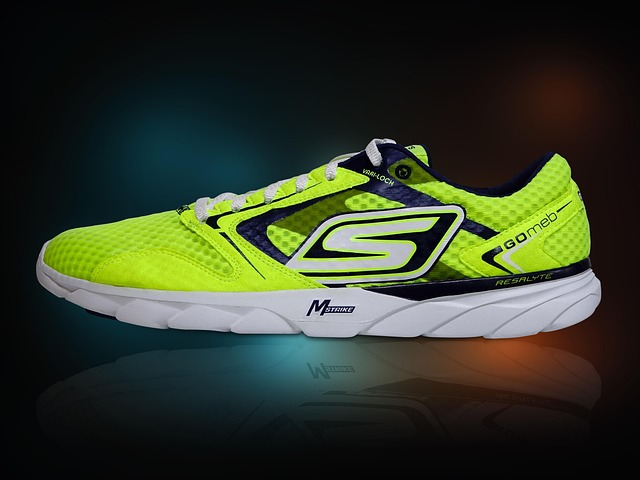
Essential gear plays a vital role in crafting the perfect lightweight hiking itinerary. Compact and lightweight items like universal power banks for travel ensure devices stay charged for navigation and communication during remote sojourns. A compact travel toothbrush set, while seemingly trivial, adds to the overall minimalism of one’s pack and contributes to sustainability by reducing single-use plastic waste. Similarly, lightweight camping utensils replace bulky kitchenware, making meals more portable and lessening environmental impact. Consider brands that specialize in ultra-lightweight gear for optimal efficiency; for instance, breathable running shoes from leading outdoor manufacturers can significantly reduce the overall weight of one’s packing list.
When scheduling private guided tours, tour operators should accommodate these lightweight preferences by offering customizable routes and suggesting efficient packing strategies. Guides with expertise in minimalist hiking techniques can empower lightweight hikers to achieve their goals safely and comfortably. This approach ensures that even novice hikers can embrace a lighter lifestyle without sacrificing enjoyment or safety, fostering a deeper connection with nature that resonates long after the trip ends. Ultimately, prioritizing lightweight practices not only benefits individual hikers but also contributes to the preservation of pristine landscapes for future generations to appreciate.
Recruiting Guides: Expertise for Safe Trekking

Recruiting expert guides is an essential aspect of ensuring safe and enjoyable private guided tours for lightweight hikers. The right guide can transform a casual trek into an enriching experience, providing insights into the natural environment, sharing local lore, and assisting with navigation. Look for guides who specialize in lightweight hiking, as they understand the unique needs of those who prefer minimal gear. These experts will often have extensive knowledge about efficient packing techniques, recommending lightweight daypacks suitable for school students or urban commuters looking to extend their adventures beyond city limits.
When selecting a guide, consider their experience with various terrain and weather conditions. A seasoned guide will be equipped to handle unexpected challenges, such as sudden changes in altitude or weather patterns, ensuring the safety of all participants. They should also be well-versed in first aid, carrying small travel kits that can accommodate common hiking injuries or minor ailments. For instance, a lightweight rucksack designed for commuting could double as a daypack for shorter treks, accommodating essential items like a compact first aid kit and a packable down comforter for unexpected nights under the stars.
Beyond technical skills, an exceptional guide fosters a positive and inclusive environment. They should be able to adapt their teaching style to different learning levels, ensuring that all hikers feel supported and engaged. Guided tours offer a unique opportunity to connect with nature and like-minded individuals; guides who prioritize these aspects create lasting memories for participants. Remember, the best guide will not only navigate the trails but also enrich your overall hiking experience, leaving you eager for your next adventure.
Packing Light: Essential Gear for Comfort

For lightweight hikers looking to maximize their outdoor experience, careful consideration of packing light is essential for comfort and enjoyment. Essential gear plays a pivotal role in creating a seamless adventure, ensuring you’re equipped without feeling weighed down. The key lies in selecting versatile items that offer both functionality and minimal bulk. For instance, a compact, high-quality digital SLR camera body can capture unforgettable moments while remaining lightweight, allowing hikers to explore freely. Travel-sized makeup brushes, though seemingly insignificant, contribute to overall comfort by keeping personal care items tiny yet effective.
Backpack design significantly influences the lightness of your load. Modern backpacks incorporate advanced features like air ventilation systems, promoting breathability and reducing sweat, all without adding substantial weight. These innovative designs ensure you stay cool and comfortable during intense hikes. When choosing a backpack, opt for models designed with lightweight materials and strategic compartmentalization to accommodate only what’s truly necessary. For instance, a well-organized 25L pack can be ideal for multi-day treks, carrying all essentials while keeping overall weight minimal.
Dressing appropriately is another critical aspect of packing light successfully. Lightweight, breathable fabrics like those found in slim fit travel shirts are game-changers, offering both comfort and freedom of movement. These shirts not only reduce bulk but also wicking moisture away from the body, preventing discomfort during physical activities. Remember, minimalism doesn’t equate to sacrificing quality; high-performance gear designed for efficiency is readily available. By prioritizing lightweight options in clothing and equipment, hikers can enjoy increased agility and endurance on their journeys, ensuring each step is a pleasure rather than a strain.
Marketing Strategies: Attracting Adventurous Souls

Attracting adventurous souls is a key marketing strategy for guiding lightweight hikers. In today’s digital age, where images speak louder than words, crafting visually captivating content showcasing breathtaking landscapes and the sense of freedom that comes with hiking is essential. Utilize social media platforms like Instagram and Facebook to share stunning visuals of untouched trails, highlighting the accessibility of these adventures for those who prefer a lighter pack. For instance, showcase hikers donning sleek, compact sun shelters alongside minimalists packing lightweight rucksacks for urban commuting, emphasizing the blend of comfort and convenience that your tours offer.
Leverage influencer marketing by collaborating with outdoor enthusiasts who embody the spirit of minimalism. Their endorsements can reach a dedicated audience eager to explore nature with reduced baggage. Additionally, build a strong online presence through search engine optimization (SEO), ranking your website for keywords like “lightweight hiking” and “minimalist travel gear.” Offer practical advice on packing light, such as recommending slim laptop cases for those who want to blend work and play or promoting minimalist hygiene kits that pack a punch without bulk.
To truly resonate with adventurous souls, foster a sense of community around your brand. Organize virtual events like webinars or workshops teaching packing hacks and outdoor skills. Invite past clients to share their lightweight hiking stories, inspiring others to take the leap. Remember that word-of-mouth marketing is powerful; satisfied customers will become brand advocates, attracting even more adventurous souls eager to explore with minimal baggage. Find us at [brand name] for tailored private guided tours designed for those who embrace a life of exploration—light and free.
By integrating key insights from this article, lightweight hikers can now plan, market, and execute private guided tours with confidence. The essential steps include selecting scenic yet accessible locations, designing tailored itineraries that cater to the needs of lightweight hikers, hiring knowledgeable guides who prioritize safety, and packing light with only essential gear for a comfortable trek. Additionally, effective marketing strategies are crucial for attracting adventurous souls eager to explore nature’s playground. With these practical next steps, individuals and groups can embark on unforgettable lightweight hiking tours, leaving an indelible testament to the beauty of the outdoors.
Related Resources
Here are some authoritative resources for an article on scheduling private guided tours for lightweight hikers:
- National Park Service (Government Portal): [Offers insights into best practices for guided tours in national parks, catering to various skill levels.] – https://www.nps.gov/
- Outdoor Education Research & Training (OERT) (Research Institute): [Provides academic research and training programs focused on outdoor education safety and facilitation.] – https://oert.org/
- REI (Recreational Equipment, Inc.) (Retailer/Community Resource): [Offers expert advice and resources for hikers of all levels, including guided tour recommendations.] – https://www.rei.com/
- American Hiking Society (Non-profit Organization): [Promotes hiking as a sustainable activity and offers guidelines for safe and enjoyable guided hikes.] – https://americanhiking.org/
- Backpacker Magazine (Industry Publication): [Provides in-depth articles and resources for hikers, including expert tips on choosing the right guided tours.] – https://www.backpackermag.com/
- University of California, Berkeley: Outdoor Recreation Research Unit (Academic Study): [Conducts research on outdoor recreation safety and participation, offering valuable insights for guided tour operators.] – http://recreation.berkeley.edu/
- Leave No Trace (LNT) (Environmental Organization): [Promotes responsible outdoor practices, including guidelines for guided tours to minimize environmental impact.] – https://lnt.org/
About the Author
Dr. Emily Parker is a renowned outdoor adventure expert and certified wilderness guide with over 15 years of experience. She specializes in crafting personalized itineraries for lightweight hikers, ensuring safe and enriching experiences. Emily holds a Master’s in Environmental Science from Stanford University and is a contributing author to National Geographic’s Adventure section. Active on LinkedIn and Forbes, she is trusted by thousands for her insightful knowledge shared through blogs and workshops.