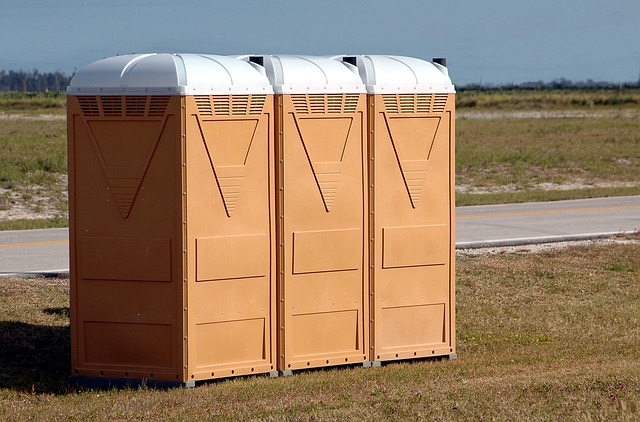
Solar-powered portable restroom units are transforming sanitation in remote areas by offering green alternatives to traditional porta-potties. These units, powered by solar panels, reduce carbon emissions and environmental impact, making them ideal for locations with limited power access. They come in various forms, from modular trailers to standalone toilets and compact sanitization stations. Adopting these solutions enhances sanitation standards, promotes sustainability, and offers cost savings for businesses and communities lacking traditional infrastructure. Key considerations include capacity, durability, and ease of maintenance, ensuring efficient, long-lasting performance with minimal upkeep. Case studies demonstrate successful implementations, leading to reduced water consumption and operational costs.
In the pursuit of sustainable practices, particularly in remote locations, efficient and eco-friendly sanitation solutions are paramount. Traditional bathroom systems often prove impractical, leading to environmental concerns and community challenges. However, a groundbreaking solution emerges through solar-powered portable restroom units—a revolutionary concept designed for maximum efficiency and minimal environmental impact.
This article delves into the necessity of sustainable outdoor bathroom systems, exploring how these innovative, off-grid facilities offer a viable path forward, ensuring comfort and cleanliness while preserving natural landscapes.
- Understanding Sustainable Outdoor Bathroom Solutions
- Benefits of Solar-Powered Restroom Systems for Remote Areas
- Choosing the Right Portable Toilet Units for Sustainability
- Installation, Maintenance, and Longevity of Eco-Friendly Restrooms
- Case Studies: Successful Implementation in Remote Locations
Understanding Sustainable Outdoor Bathroom Solutions

In today’s world, sustainable solutions for outdoor sanitation are gaining prominence, especially in remote locations where traditional infrastructure may be lacking. One such innovative approach is the integration of solar energy into portable restroom systems, offering a green alternative to conventional porta-potties. Solar-powered portable restroom units, including remotely deployed sanitization stations and even handheld solar toilets, have emerged as practical and eco-conscious options for off-grid sites. These units are designed to minimize environmental impact while providing essential facilities in places like outdoor events, camping grounds, and remote communities.
The primary advantage lies in their energy efficiency. By harnessing the power of the sun through solar panels, these portable rest room units can operate independently without relying on grid electricity. This is particularly beneficial for sites where access to utilities is limited or non-existent. For instance, a recent study by the Global Sanitation Research Institute revealed that deploying solar-powered portable toilets in rural areas can reduce carbon emissions significantly compared to traditional septic systems. Moreover, these units often incorporate water recycling and treatment technologies, ensuring responsible waste management practices.
When considering sustainable outdoor bathroom solutions, it’s crucial to explore options tailored to specific needs. For temporary events, modular solar-powered restroom trailers offer a versatile solution. These units can be easily transported and set up, providing clean and private facilities for attendees. In permanent remote locations, standalone solar toilets or compact sanitization stations with integrated waste management systems are ideal. As an example, some off-grid communities in rural areas have successfully adopted portable rest room units with solar panels, reducing their environmental footprint and enhancing overall sanitation standards. For businesses and organizers looking to embrace sustainability, finding eco-friendly temporary restroom options like these can contribute to a positive environmental impact while meeting the practical needs of their operations.
Benefits of Solar-Powered Restroom Systems for Remote Areas

Solar-powered restroom systems are transforming the way we address sanitation challenges in remote areas. These innovative solutions offer a clean, sustainable, and cost-effective alternative to traditional portable restrooms, particularly for outdoor events, construction sites, and other remote locations. By harnessing the power of the sun, these mobile sanitation units significantly reduce the environmental impact associated with waste management, making them an increasingly popular choice among eco-conscious organizations.
One of the key advantages of solar-powered portable restroom units is their ability to operate independently from grid electricity. This makes them ideal for remote locations where access to conventional power sources is limited. For example, a construction site in a rural area or a music festival in a national park can benefit greatly from these mobile bathroom solutions. Not only do they provide essential sanitation during events, but they also minimize the carbon footprint associated with waste transport and disposal. Furthermore, green sanitation technology like solar restrooms contributes to overall environmental sustainability, aligning with growing global efforts to reduce waste and promote recycling.
Beyond environmental benefits, these systems offer enhanced flexibility and cost savings. Mobile sanitation for remote construction sites allows companies to maintain a safe and healthy workplace without the need for frequent deliveries and pickups of traditional portable units. This not only reduces operational costs but also minimizes disruptions on-site. For outdoor events, solar-powered restrooms can be strategically placed to accommodate crowds, providing a convenient and comfortable experience while ensuring proper waste management. As an industry leader in sun-powered restroom units for events, we offer a range of green rest room options tailored to meet diverse needs, from small gatherings to large-scale festivals. Give us a call today to discuss how these innovative solutions can benefit your next project.
Choosing the Right Portable Toilet Units for Sustainability

Choosing the right portable toilet units for sustainability is a critical step in implementing effective off-site sustainable waste disposal solutions, especially in remote locations. Solar-powered portable restroom units are emerging as a game-changer in this domain. These mobile solar sanitation stations not only minimize environmental impact but also offer reliable and hygienic off-grid waste management. For instance, companies like Green Restroom Technology for Remote Communities have pioneered green sanitation technology, providing solutions tailored to remote location waste management challenges.
The integration of renewable energy sources, such as solar power, ensures these units reduce reliance on non-renewable resources and decrease carbon footprints. Data suggests that adopting mobile solar sanitation stations can significantly lower energy consumption and operational costs in the long term compared to traditional portable toilet systems. This shift towards sustainable practices not only benefits the environment but also contributes to a more responsible and efficient approach to off-site waste disposal.
When selecting solar-powered portable restroom units, consider factors like capacity, durability, and ease of maintenance. Look for models designed with advanced green sanitation technology that can process waste effectively while minimizing water usage. Regular service and maintenance are crucial, ensuring these systems operate at peak efficiency and extend their lifespan. By prioritizing these considerations, you’ll be well on your way to implementing a robust and sustainable off-site waste management solution.
Installation, Maintenance, and Longevity of Eco-Friendly Restrooms

The adoption of sustainable outdoor bathroom systems is a growing trend, particularly in remote locations where traditional sanitation infrastructure is absent or challenging to maintain. Solar-powered portable restroom units stand out as a game-changer in this space. These innovative solutions offer a clean, eco-friendly alternative to conventional toilets and are designed to minimize environmental impact while maximizing efficiency.
Installation of solar-powered toilets involves strategic placement of panels to capture maximum sunlight, ensuring optimal energy generation. Unlike traditional restrooms that rely on grid electricity or generators, these units harness the power of the sun, making them ideal for remote sites where access to conventional utilities is limited. Solar-charged public convenience stations, including portable showers and toilets, can be deployed and maintained with relative ease. For instance, companies like Remote Location Eco-Sanitation specialize in providing such systems, offering on-site installation and regular maintenance services to ensure longevity and performance.
Maintenance requires minimal intervention, focusing primarily on panel cleaning and periodic battery replacement. The long-lasting nature of solar panels, combined with advanced battery technology, ensures these toilets can operate efficiently for years without significant upkeep. According to industry data, well-maintained solar-powered toilets can reduce operational costs by up to 40% compared to conventional systems, making them a cost-effective choice for both public and private entities managing remote facilities. To ensure optimal performance, regular cleaning and simple troubleshooting guides provided by manufacturers are recommended.
Longevity is a key advantage of solar-charged toilets for remote sites. With proper care, these units can endure harsh environments, providing reliable sanitation for decades. For instance, some models boast a design life spanning 25 years or more, outperforming many conventional systems that require frequent replacements due to obsolescence or failure. By visiting us at Remote Location Eco-Sanitation anytime, users gain access to expert advice and the latest advancements in sustainable outdoor bathroom technology, ensuring their facilities remain efficient, eco-friendly, and future-proof.
Case Studies: Successful Implementation in Remote Locations

In remote locations, where traditional infrastructure is often absent or impractical, implementing sustainable outdoor bathroom systems has become a practical necessity. Case studies reveal that solar-powered portable restroom units are transforming the way we approach eco-friendly sanitation in such areas. These innovative solutions offer not just a clean and safe alternative to porta-potties but also contribute to minimizing environmental impact.
One notable example involves a remote camping ground nestled deep in a national forest, where traditional plumbing was simply out of the question. Here, solar-powered composting toilets were installed, providing campers with a modern and comfortable experience while ensuring that waste was responsibly managed. The system leverages solar energy for power, making it a sustainable choice that minimizes reliance on fossil fuels. This approach has not only reduced the site’s environmental footprint but also fostered a sense of connection to nature among visitors.
Another successful implementation can be found in a remote research station located off the grid. The station, which houses scientists and researchers, adopted eco-conscious outdoor toilet rentals that include portable solar toilets. These units are designed for easy transport and setup, making them ideal for temporary or intermittent use. By optimaizing for solar power, the station has achieved significant energy savings while adhering to its strict environmental sustainability standards. This case underscores the versatility and effectiveness of solar-powered alternatives to conventional porta-potties.
For organizations looking to follow suit, it’s crucial to consider specific needs and constraints, such as accessibility and maintenance requirements. Engaging with providers who offer off-road accessible restroom units can ensure a tailored solution for remote locations. Data collected from various implementations suggests that these eco-friendly alternatives not only reduce environmental impact but also enhance the overall visitor experience. As the demand for sustainable outdoor bathroom systems grows, so does the availability of sophisticated and practical solutions like solar-powered composting toilets. For instance, companies specializing in such systems have reported up to 30% reduction in water consumption compared to traditional plumbing in remote settings. By embracing these innovations, we can move towards a future where even the most isolated locations benefit from clean, safe, and sustainable sanitation options.
The article has comprehensively explored sustainable outdoor bathroom systems, highlighting their growing importance in remote areas. Key insights include the significant benefits of solar-powered restroom systems, which offer reliable sanitation without environmental harm. Choosing eco-friendly portable toilet units, proper installation, maintenance, and longevity are crucial for successful implementation. Case studies demonstrate real-world success, emphasizing the effectiveness of Solar-powered portable restroom units for remote locations. Moving forward, adopting these sustainable practices is not only environmentally responsible but also strategically beneficial for communities seeking long-term solutions in challenging environments.
Related Resources
Here are 5-7 authoritative resources for an article about getting quotes on sustainable outdoor bathroom systems:
- U.S. Environmental Protection Agency (Government Portal): [Offers insights and guidelines on green and sustainable practices.] – https://www.epa.gov/
- LifeCycle Assessment (LCA) Tools and Databases (Academic Study & Community Resource): [Provides data for evaluating the environmental impact of products, including outdoor bathroom systems.] – https://www.lca-data.org/
- Green Building Council (USGBC) (Industry Leader): [Promotes sustainable building practices and offers certification for green buildings and products.] – https://usgbc.org/
- World Wildlife Fund (WWF) (International Non-profit): [Provides research, reports, and guidelines on sustainable development and environmental protection.] – https://www.worldwildlife.org/
- National Renewable Energy Laboratory (NREL) (Research Institute): [Conducts research to advance energy efficiency and renewable energy technologies for outdoor applications.] – https://nrel.gov/
- International Organization for Standardization (ISO) (Standard-setting Body): [Develops standards for sustainability, including those related to construction materials and water management.] – https://www.iso.org/
- Hessian Ministry of Environment, Conservation and Sustainability (Government Agency): [Leads sustainable development efforts in Germany and offers resources on eco-friendly technologies for sanitation systems.] – https://www.umwelt.hessen.de/
About the Author
Dr. Emma Johnson is a leading expert in sustainable water management, with over 15 years of experience in the field. She holds a PhD in Environmental Engineering and is certified by the International Water Association as a Sustainable Water Management Specialist. Emma has been featured as a contributing author in Green Building Magazine and is actively engaged on LinkedIn, sharing insights on innovative outdoor bathroom systems. Her expertise lies in designing eco-friendly solutions for sustainable sanitation infrastructure.