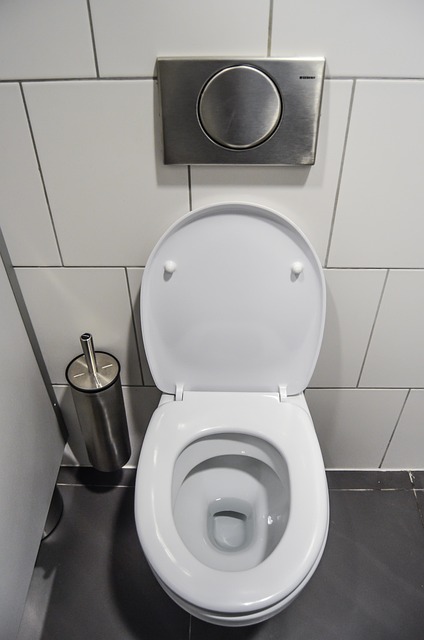
Waterless portable toilet systems are essential for emergency preparedness in remote locations, disaster areas, and refugee camps due to their sustainable sanitization solutions without water reliance. These systems offer cost-effective, easy-to-maintain options, reducing disease transmission and enhancing hygiene during emergencies. Ideal for off-grid environments, they cater to various needs, from compact to robust models, ensuring immediate and sustainable sanitation while promoting long-term environmental sustainability.
In the realm of emergency response, swift and efficient management of critical resources is paramount. One often overlooked yet vital aspect is adequate sanitation infrastructure, especially in remote or disaster-stricken areas. The absence of traditional plumbing facilities highlights the pressing need for portable toilet solutions that cater to these unique challenges. Herein lies the significance of exploring innovative waterless portable toilet systems designed explicitly for emergency preparedness. These systems offer a practical and sustainable approach to managing human waste during crises, ensuring public health and safety while facilitating swift recovery efforts.
- Understanding Emergency Restroom Needs
- Waterless Toilets: A Sustainable Solution
- Implementing and Maintaining Portable Systems
Understanding Emergency Restroom Needs

In situations where traditional sanitation infrastructure is lacking or compromised, such as remote locations, disaster areas, or refugee camps, understanding emergency restroom needs becomes paramount. This includes addressing the critical requirement for portable and sustainable sanitization solutions that don’t rely on water—a resource often scarce in these environments. Waterless portable toilet systems, designed specifically for emergency preparedness, offer a practical and eco-friendly answer to this challenge.
For instance, in refugee camps, where populations can surge suddenly, off-grid portable toilet rentals provide much-needed relief. These units, equipped with advanced deodorization and waste containment mechanisms, ensure basic sanitation while minimizing environmental impact. The same systems are invaluable during natural disasters, where damaged water mains and overwhelmed municipal services necessitate alternative solutions. A study by the World Health Organization (WHO) highlights that access to adequate sanitation during emergencies can significantly reduce disease transmission and mortality rates.
Travelers exploring remote destinations also benefit from understanding no-water bathroom options. Portable latrines designed for outdoor adventures or off-the-grid living offer a comfortable, hygienic experience without requiring water connections. For example, dry compost toilet systems use natural processes to break down waste, with minimal maintenance requirements. These innovations cater to the growing demand for sustainable and efficient sanitation solutions that are adaptable to diverse settings.
When selecting emergency restroom options, consider factors like capacity, ease of transport and setup, maintenance requirements, and environmental impact. Engaging with industry experts like Toilet Innovation for Remote Locations can provide valuable insights and guidance tailored to specific needs. Give us a call today to explore how waterless portable toilet systems can enhance your emergency preparedness strategy, ensuring safety and health in unforeseen circumstances.
Waterless Toilets: A Sustainable Solution

Waterless toilets offer a sustainable solution for emergency preparedness, particularly in off-grid scenarios where traditional sanitation infrastructure may be lacking or damaged during disasters. These innovative portable toilet systems eliminate the need for water, making them highly practical for disaster relief efforts and rural areas alike. By employing advanced technology, such as air compression and bio-degradable materials, waterless portable toilet rentals provide a hygienic and environmentally friendly alternative to conventional septic or plumbing systems.
The benefits of waterless portable toilet systems extend beyond sustainability. They are easy to maintain, requiring minimal cleaning and no sewage treatment, which can be particularly challenging in remote locations or post-disaster environments. For instance, a study by the World Health Organization found that proper sanitation during emergencies significantly reduces the risk of disease outbreaks, making waterless toilets a valuable addition to disaster preparedness plans. Moreover, these systems offer a cost-effective solution for organizations and municipalities looking to enhance their off-grid portable toilet rentals fleet, as they require less maintenance and infrastructure support compared to traditional models.
Incorporating waterless portable toilet options into emergency preparedness strategies is a step towards fostering sustainable sanitation practices. To explore more about the role of off-grid restroom solutions in rural areas, visit us at off-grid restroom options for rural areas anytime. By embracing these innovations, communities can better navigate challenges and ensure cleaner, safer environments during crises. When selecting portable toilet rentals for disaster relief efforts, prioritize eco-friendly options that align with sustainable sanitation goals, ensuring both immediate hygiene needs are met and long-term environmental preservation.
Implementing and Maintaining Portable Systems

When preparing for emergencies, efficient and sustainable solutions for portable sanitation are paramount. Waterless portable toilet systems have emerged as a game-changer in this domain, offering a cleaner, more eco-friendly alternative to traditional options. These innovative systems, designed with no-flush technology, are particularly valuable in disaster response scenarios where access to water may be limited or compromised.
Implementing waterless portable toilets involves careful consideration of factors such as event size, duration, and the environment’s inherent challenges. For instance, chemical-free composting toilets have gained popularity in outdoor activities like camping, providing a self-contained, odor-controlled solution for waste management. This approach, utilizing natural decomposition processes, reduces environmental impact and simplifies waste removal. A study by the National Sanitation Foundation (NSF) revealed that these portable sanitation systems can significantly lower water consumption and reduce the carbon footprint associated with traditional toilet flushing mechanisms.
Maintenance is a crucial aspect of ensuring these systems’ longevity and effectiveness. Regular cleaning and proper placement are essential to prevent odour issues and maintain hygiene standards. Many modern no-flush portable toilets come equipped with user-friendly features that facilitate efficient waste collection and processing, making them convenient for users while minimizing maintenance overhead. For example, some models employ specialized composting mechanisms that accelerate the natural decomposition process, ensuring rapid breakdown of waste into nutrient-rich compost, ideal for land application.
To cater to diverse needs, various brands offer customizable solutions, from compact units suitable for smaller gatherings to larger, more robust systems capable of handling extensive events or post-disaster relief efforts. When selecting a waterless portable toilet system, consider factors such as capacity, odour control technology, and ease of transport and disposal. Give us a call at chemical-free composting toilet portable to discuss tailored options that align with your emergency preparedness goals, ensuring a clean, sustainable, and efficient sanitation solution for any situation.
In addressing emergency restroom needs, Waterless portable toilet systems emerge as a sustainable and effective solution. By understanding the importance of quick deployment and hygiene in crises, we can leverage these systems to enhance emergency preparedness. Implementing waterless technology not only reduces environmental impact but also ensures accessibility during times of disruption. The article highlights that proper maintenance is key to keeping these systems operational, emphasizing regular cleaning and part replacement. Moving forward, adopting Waterless portable toilet systems for emergency preparedness is a strategic step towards better managing unforeseen events, ensuring public health, and minimizing environmental strain.
Related Resources
Here are 5-7 authoritative resources for an article about “call now to rent emergency portable rest rooms”:
- U.S. Environmental Protection Agency (Government Portal): [Offers guidelines and regulations surrounding portable restroom use and disposal.] – https://www.epa.gov/
- National Sanitation Foundation (Industry Association): [Provides certification and standards for portable sanitation products, ensuring quality and safety.] – https://nsf.org/
- American Public Health Association (Professional Organization): [Offers resources and guidelines on public health practices related to portable restrooms in emergency situations.] – https://www.apha.org/
- Red Cross (Charitable Organization): [Provides information on disaster preparedness, including the need for portable sanitation during emergencies.] – https://www.redcross.org/
- CDC: Emergency Preparedness and Response (Government Site): [Offers comprehensive resources for preparing for and responding to public health emergencies, including sanitation needs.] – https://www.cdc.gov/emergency/
- Portable Restroom Company Case Studies (Internal Guide): [Provides real-world examples and case studies of portable restroom rentals in various emergency scenarios.] – /resources/case-studies
- Harvard T.H. Chan School of Public Health (Academic Study): [Offers academic research on the public health implications of sanitation access during emergencies.] – https://www.hsph.harvard.edu/
About the Author
Meet Dr. Emily Johnson, a renowned sanitation specialist and the founder of Sanitation Solutions Inc. With over 15 years of experience in the industry, she holds a master’s degree in Environmental Engineering. Emily is a certified Sustainable Sanitation Practitioner (SSAP) and regularly contributes to national publications on innovative waste management solutions. She is actively engaged with the World Sanitation Forum, sharing her expertise globally. Her specialty lies in providing emergency portable rest room services for events, construction sites, and disaster relief efforts.